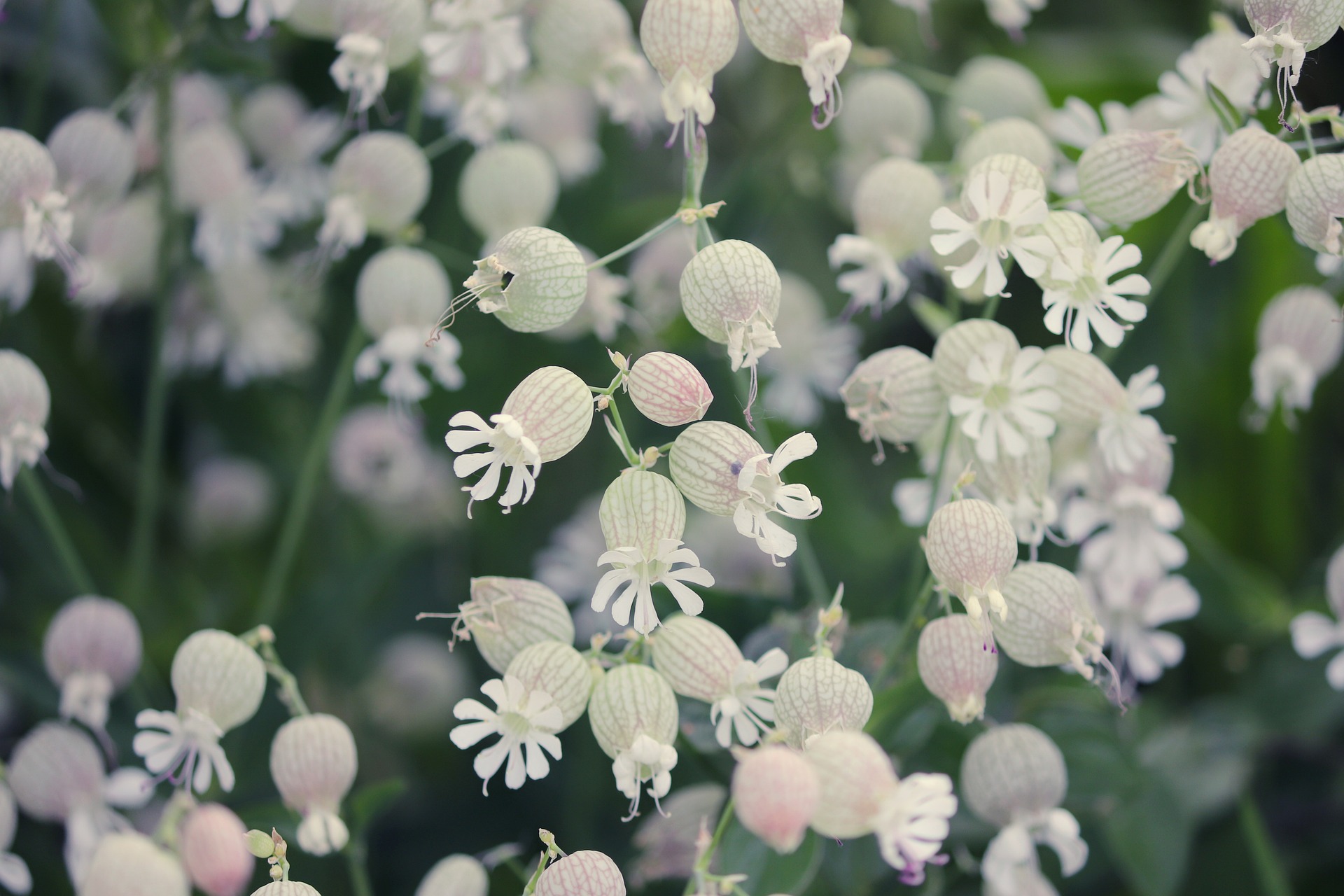
An attractive wildflower of rough ground, from coastal cliffs to woodland paths, where it can grow in partial shade. Bladder Campion is a low-growing plant which tends to appear in clumps.
We do not earn referral fees – the site is sponsored by Life to Land – the nature recovery tool. This lets us stay independent, giving you a bigger choice of sellers.
British Wild Flower Plants
Norfolk-based independent nursery with a huge range of British native species.
Sometimes sellers may not have the plant you’re looking for in stock. eBay can be a useful last resort, with many nurseries selling direct to consumers. However, plants may not be the species advertised as sellers often make mistakes or misrepresent items. Importing plants from other countries risks spreading pests and diseases.
We thought that gardening was complicated enough for newbies, without dealing with terms like ‘perennial’, ‘biennial’ and ‘sedge’. So let’s make it clear and simple – why would you want to buy this plant? E.g. some ‘trees’ like Hazel are also good hedging and provide food.
Technical Plant Type
Perennial
What do we mean?
We know that some of you like more detail, so here it is…
Annual plants live for one year, then set seed; biennial plants generally grow flowers in the second year, with leafy growth in year one. Perennial plants put down deeper roots and come back every year, provided they aren’t killed off by drought, frost or acts of God/dog.
Aquatic plants, climbers, ferns, grasses and trees are almost always perennial.
Flower/Fruit Colour
White, Pink
Flowering/Fruiting Period
May, June, July, August
What do we mean?
Many plants don’t just have colourful flowers, but beautiful fruits, too! Some have tiny flowers but big, bright bunches of berries. We thought it would be sensible to combine these two categories, so you can see which months of the year show the plant at its best.
Plant Height
80cm
Soil Type
Loam, Sand
What do we mean?
Different plants like different conditions for their roots, and some species aren’t suited to certain types of soil. It’s best to check this before planting, to avoid costly mistakes. Loam looks like compost, while clay turns slippery and mouldable when wet; chalk soils are pale in colour, found above chalk or limestone rock, and sand is, well, sandy.
Soil Moisture
Free-draining
What do we mean?
Roots are sensitive little organs, and some species of plant don’t like sitting around with wet feet, especially if they rely on processes at the roots, like mycorrhizal interactions. Waterlogged soils tend to have water puddling on the surface when it rains; moist soils are generally wet just below ground level and free-draining soils may be quite dry in the height of summer. And no, we don’t like the term ‘moist’ any more than you, but ‘damp’ doesn’t seem much better.
Sunlight and Shade
Partial Shade, Full Sun
What do we mean?
Different plants have evolved for different levels of sunlight exposure. Just like humans, some species love soaking up the rays all day while others would rather live in a cellar. This is worth considering before you stick a sun-loving plant on a north-facing balcony or pop that delicate fern in the middle of the patio.
Species Status
Native
What do we mean?
The species listed on Buy Native are, of course, native! That means they arrived on our island naturally, without human help, since the last Ice Age. This helped them to develop important relationships with our other native species – invertebrates, birds, mammals, fungi, etc, that make them crucial parts of a healthy ecosystem.